Most top companies use an Applicant Tracking System (ATS) to filter resumes before a human ever sees them.
Keywords are King: Read the Job Description (JD) carefully. If they ask for 'Python' and 'Django', ensure those exact words appear in your skills section.
Keep it Simple: Avoid complex columns, graphics, or photos in your resume. Simple text formats parse better.
Results > Responsibilities: Don't just list what you did; list what you achieved.
Bad Example: Worked on sales.
Good Example: Increased sales revenue by 20% in Q3.
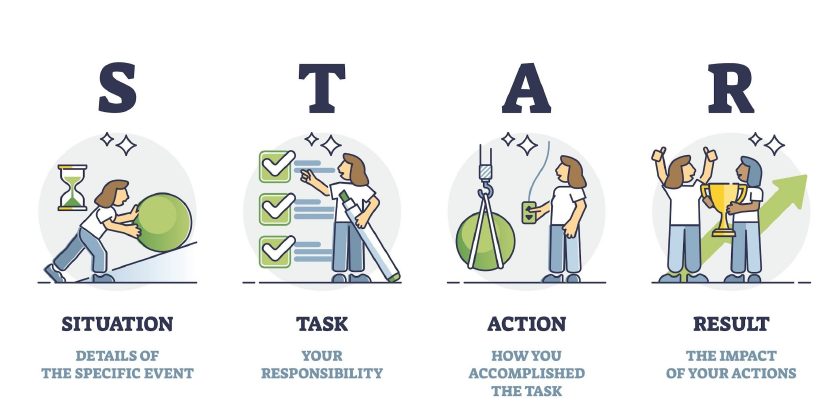
2. Master the STAR Method
Technical skills get you the interview, but soft skills get you the job. When an interviewer asks 'Tell me about a time you faced a challenge', use the STAR Method to structure your answer clearly.
3. For Developers: Show, Don’t Tell
For IT roles, your code speaks louder than your degree.
GitHub is Your Portfolio: Ensure your repositories are public and clean. A half-finished project is fine if the code is structured.
Live Demos: If you are a web or mobile developer, provide links to live apps or websites.
Know Your Basics: Even senior developers get rejected for failing core DSA questions. Brush up on fundamentals.
4. The "Culture Fit" Factor
Companies like Capgemini and NeevSystem place a high value on cultural fit.
Research the Company: Visit their website and About Us page. Mentioning recent projects or values shows genuine interest.
Ask Questions: Ask thoughtful questions like 'What does a typical day look like?' or 'What is the team's biggest challenge?'
5. Common Mistakes to Avoid
The 'Generic' Cover Letter: Stop copy-pasting the same cover letter. Customize the first paragraph for every application.
Ignoring Soft Skills: In remote work, communication is critical. Highlight teamwork, clarity, and time management.
Ghosting: If you're not interested in a role, communicate professionally. The IT world is small — courtesy matters.